Over the past 9 weeks, I have
discussed the different evolutionary adaptations of several fishes belonging to
the order Lophiiformes. Of these highly unusual fishes, I researched and
discussed only a small fraction; the order is comprised of 321 living species,
classified among 68 genera, 18 families, and 5 suborders, with nearly half of
the species falling into 11 families (Miya et al., 2010). While these
remarkable fishes have been thoroughly classified, the evolution of their
strange traits is not well known, and is often debated.
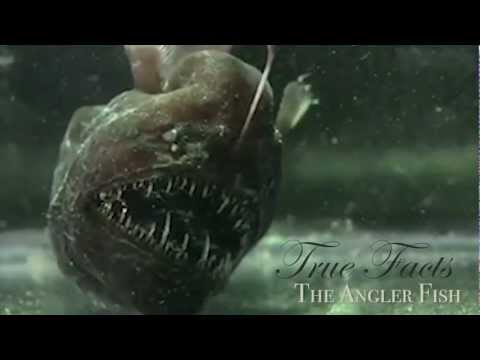
Fig. 1 True Facts About Anglerfish (https://www.youtube.com/watch?v=Z-BbpaNXbxg)
The numerous, bizarre fishes vary
from benthic shallow-water dwellers to exceedingly adapted deep sea-midwater
species, but the evolutionary origins of their distinct habitats, and overall species
diversity, remains greatly mysterious due to the lack of fresh material and an
incomplete fossil record (Miya et al., 2010). The fossil record is skewed due
to several factors, but primarily because of sedimentary, systematic, and
taphonomic biases (Carnevale and Pietsch, 2006). In addition to the issues
within the fossil record, it is crucial to consider fossil biodiversities an
underestimation of the evolutionary process, regardless of the presence of a hard
skeleton and long fossil record (Carneval and Pietsch, 2006).

Fig. 2 Divergence times of the 39 species of the Lophiiformes (http://bit.ly/2pYuloG)
While the evolutionary history of
anglerfishes is mostly unknown, the fishes have clearly adapted to the suit a range
of environments, as they all have well-adjusted features and behavioural
patterns that have allowed the various species to thrive. Some of the fishes
have developed different modes of reproduction, like parasitism. Evidence displays
that there are three existing modes of reproductive parasitism, and confirms
the idea that sexual parasitism evolved separately, within the suborder, on at
least three occasions (Pietsch, 2005).

Fig. 3 Male and Female Anglerfishes (http://bit.ly/2pYleEx)
Fig. 4 Anglerfish Mating is Pretty Gross, Guys (https://www.youtube.com/watch?v=9D6pZ2wUCGA)
Outside of reproduction, many of the
fishes appear adapted to their environments through physical alterations. Some
of the fishes have elongated pelvic and pectoral fins to promote walking on the
substrate, modified dorsal spines to attract prey, depressed teeth, globulose
bodies, and even more.

Fig. 5 Anglerfishes (http://bit.ly/2qDZEn9)
With some dissimilar reproductive
and physical traits, it is no surprise that the behavioural traits of the
fishes vary as well, and in many ways. How the fishes evolved their individual attributes
is unclear, and may remain a mystery throughout time due to the difficulty of
studying specimens and the unreliable fossil record, but phylogenetic studies
have been utilising a mitochondrial genome of the Lophiiformes to gain further
insight on their evolution (Miya et al., 2010). Until research can more
certainly conclude the timeline of the Lophiiform evolutionary history, as well
as what occurred, it can only confidently be stated that the many, diverse
fishes have evolved to suit the waters they inhabit, and most seem to be
thriving.
References
References
Carnevale, G. and Pietsch, T. (2006). Filling the Gap: A Fossil Frogfish, Genus Antennarius (Teleostei, Lophiiformes, Antennariidae), from the Miocene of Algeria. Journal of Zoology, [online] 270(3), pp.448-457. Available at: http://bit.ly/2rqrPqU [Accessed 21 May 2017].
Miya, M., Pietsch, T., Orr, J., Arnold, R., Satoh, T., Shedlock, A., Ho, H., Shimazaki, M., Yabe, M. and Nishida, M. (2010). Evolutionary History of Anglerfishes (Teleostei: Lophiiformes): a Mitogenomic Perspective. BMC Evolutionary Biology, [online] 10(1), p.58. Available at: https://bmcevolbiol.biomedcentral.com/articles/10.1186/1471-2148-10-58 [Accessed 20 May 2017].
Pietsch, T. (2005). Dimorphism, Parasitism, and Sex Revisited: Modes of Reproduction Among Deep-Sea Ceratioid Anglerfishes (Teleostei: Lophiiformes). Ichthyological Research, [online] 52(3), pp.207-236. Available at: http://bit.ly/2r5tYZE[Accessed 21 May 2017].
Fig 1 Frank, Z. (2012). True Facts About the Angler Fish. [video] Available at: https://www.youtube.com/watch?v=Z-BbpaNXbxg [Accessed 21 May 2017].
Fig. 2 Miya, M., Pietsch, T., Orr, J., Arnold, R., Satoh, T., Shedlock, A., Ho, H., Shimazaki, M., Yabe, M. and Nishida, M. (2010). Divergence times of the 39 species of the Lophiiformes. [image] Available at: http://bit.ly/2pYuloG [Accessed 21 May 2017].
Fig. 3 The University of Rhode Island: Graduate School of Oceanography (2005). Male and Female Anglerfishes. [image] Available at: http://bit.ly/2pYleEx[Accessed 21 May 2017].
Fig, 4 Keating, J. (2016). Anglerfish Mating is Pretty Gross, Guys. [video] Available at: https://www.youtube.com/watch?v=9D6pZ2wUCGA [Accessed 21 May 2017].
Fig. 5 Miya, M. (2010). Anglerfishes. [image] Available at: http://bit.ly/2qDZEn9 [Accessed 21 May 2017].



Thanks for a highly entertaining, and certainly informative blog. I have enjoyed reading it!
ReplyDelete